Licensing in Colorado is local
Colorado does not license general contractors at the state level. Cities and counties set their own rules for contractor licensing and registration, and for which jobs need a permit. A crew licensed in one city may need a separate license to work in the next one over.
For slab lifting on private property, many jobs need no permit at all. Work on a public sidewalk or a driveway approach in the right-of-way is different: cities commonly require a permit and sometimes a specifically registered contractor. Ask the bidder which license they hold in your city, and call your city's building or public works department if you are unsure.
Ask for the license number and look it up yourself on the city or county website. A thirty-second search confirms the name, status and expiration better than any badge on a truck.
Insurance on paper, not in conversation
Lifting puts pressure under concrete next to houses, pools and buried lines. If a slab cracks, a line breaks or a foundation wall is pushed, insurance is what pays. Ask for a certificate of general liability insurance, issued by the agent, showing the policy dates. If the company has employees, ask about workers' compensation as well; an injured worker on an uninsured crew can become your problem.
A scope you can compare
Two bids that both say "level driveway" can describe very different jobs. Ask every bidder to write the same items so the numbers line up:
| Item | What to look for |
|---|---|
| Panels | Which slabs, identified on a sketch or photo |
| Targets | How far each moves, and which way it drains |
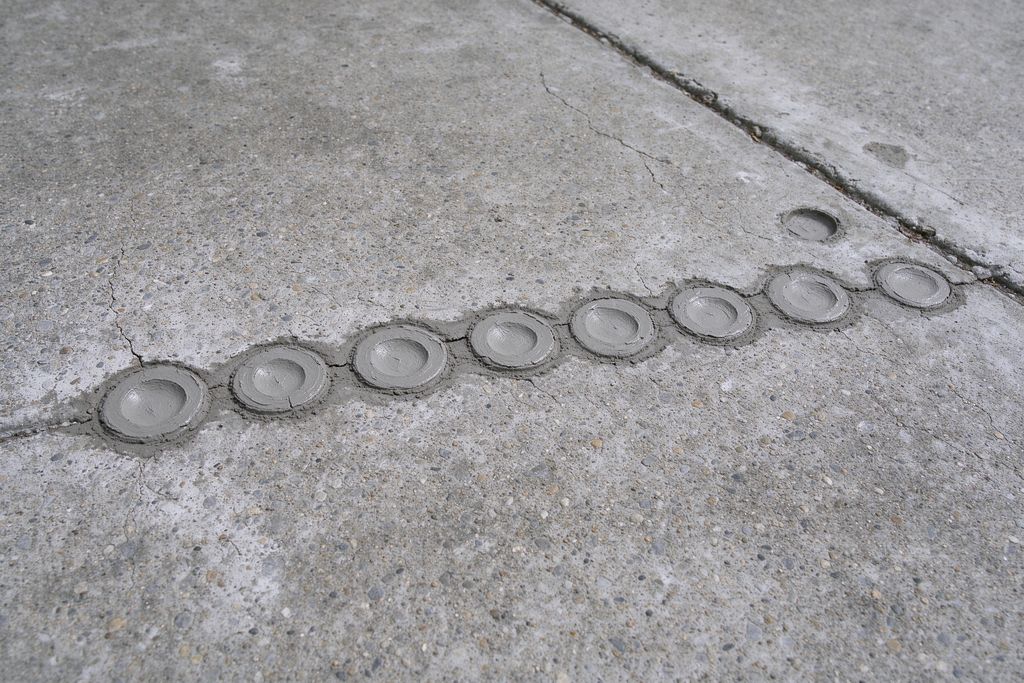
| Method and material | Slurry or foam; hole size and count |
| Patching | How holes are finished |
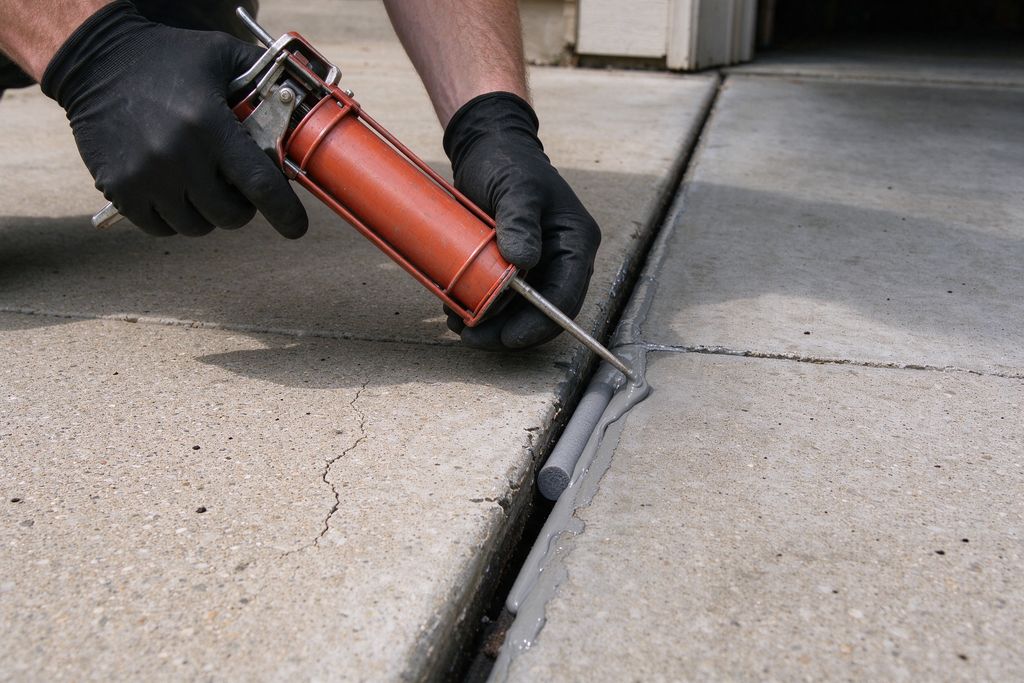
| Joint sealing | Included or not; backer rod and sealant type |
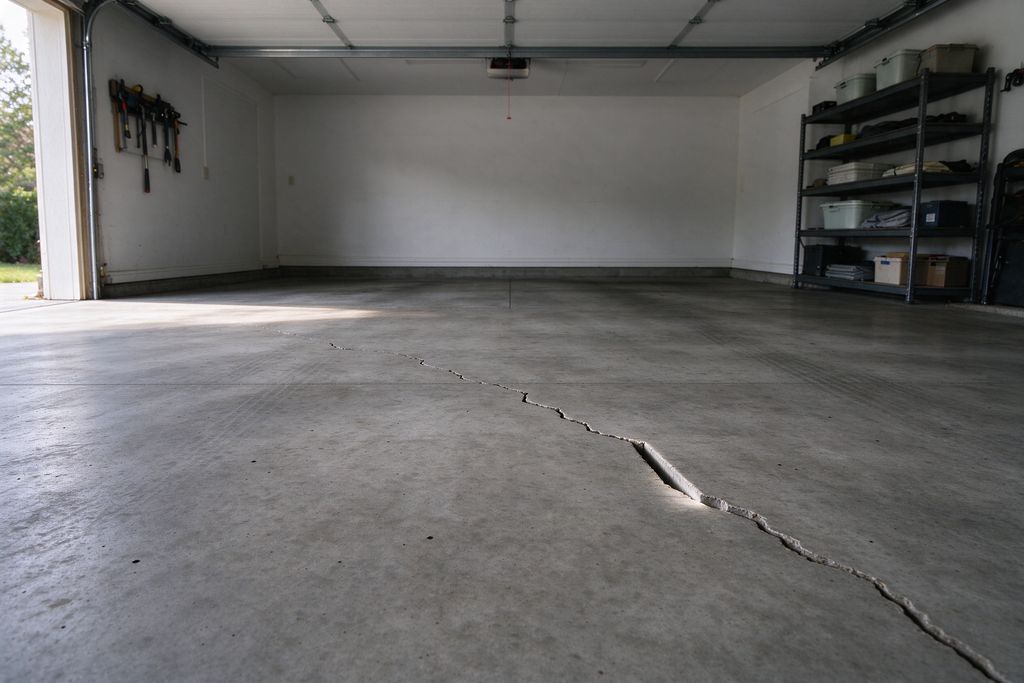
| Cracking | What happens if a panel cracks during the lift |
| Buried lines | How they locate and protect utilities and sprinklers |
| Cleanup and return to use | Who cleans what; when you can drive on it |
| Warranty | Coverage, length, exclusions, transferability |
The messy middle: the cheapest bid that was not
A low bid lifts the slab and leaves. The joints stay open, the downspout stays put, and the warranty excludes "settling caused by drainage." When the panel drops again, the warranty does not apply and the next bid starts from zero. Comparing the scope line by line, not the bottom number, is how you avoid paying twice.
Questions to ask every bidder
- What do you think caused this, and what will you do about it?
- Why slurry or foam for this slab, and would you quote the other?
- Where will the holes go, how many, and how big?
- How do you control the lift: level, string line, laser?
- What happens if a panel cracks while you lift it?
- How do you check for buried lines, sprinkler pipes and heated slabs?
- Is joint sealing included? With what?
- When can I walk and drive on it?
- What does your warranty cover, and what voids it?
- Which local license do you hold, and do I need a permit?
Red flags
- No written bidTHENWalk away; you cannot compare or enforce it.
- Large cash deposit up frontTHENAsk why; lifting needs little special material ordering.
- "We can lift anything"THENAsk about broken and heaved slabs; listen for honesty.
- No word about waterTHENExpect to pay for the same lift again.
- Pushing to lift against the foundationTHENAsk how they avoid loading the wall.
- Door-to-door "leftover material" pitchTHENTake a card, check the license, get other bids.
Pick the bidder who explains the cause, writes a measurable scope, shows insurance and local licensing without being asked twice, and treats joint sealing and drainage as part of the job.
Questions
Does Colorado license concrete contractors?
Colorado does not issue a general statewide contractor license. Licensing and registration for general and concrete contractors are mostly handled by cities and counties, and requirements differ. Ask your city what applies to your job.
How many bids should I get?
Two or three written bids for the same scope is common. Make sure each bid covers the same panels, the same target heights and the same joint sealing so you can compare them fairly.
What should a slab lifting warranty cover?
Terms vary widely. Read what is covered (settling again, cracking during the lift), for how long, what voids it (drainage not fixed, heavy loads) and whether it transfers if you sell. Get it in writing before work starts.